
Children across Ghana walk into classrooms eager to learn, but for many, the first obstacle is not the subject on the board, it is the language used to teach it.
New research presented at the Jacobs Foundation Fellow-Led Conference is challenging long-held assumptions about language instruction, revealing why a one-size-fits-all policy is failing young learners and why a blended approach may hold the key to better learning outcomes.
In classrooms across Ghana, children arrive eager to learn—curious minds ready to explore the world. But for many, the first challenge is not the lesson itself. It is the language in which that lesson is delivered.
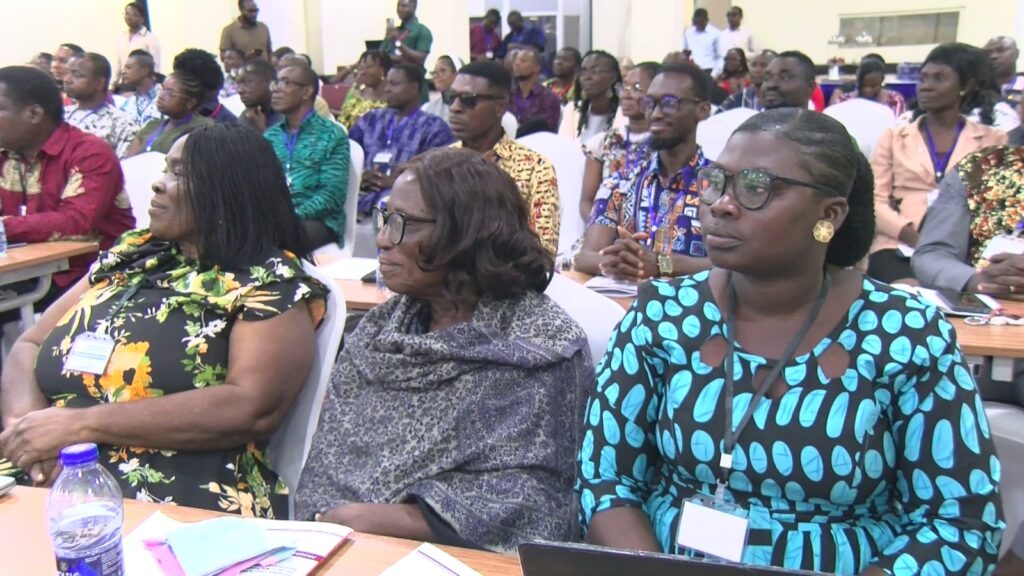
This reality took center stage at the Jacobs Foundation Fellow-Led Conference, where researchers, educators, and policymakers gathered to confront a pressing question: How does language shape learning in Ghana’s lower primary schools?
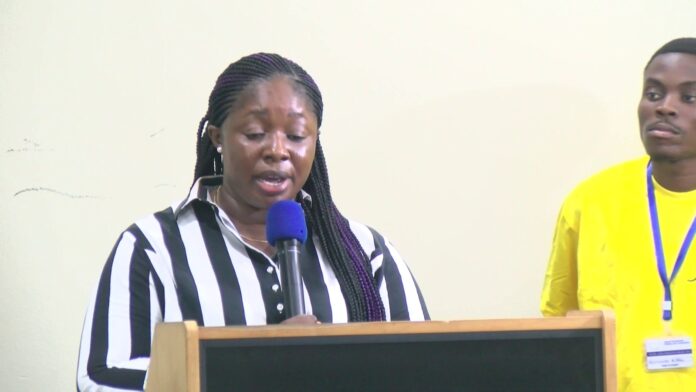
Presenting groundbreaking research, Dr. Ivy Kesewaa Nkrumah laid bare what many teachers experience daily, a single language policy cannot serve every classroom.
In rural communities, children live and learn through their local languages.
These languages shape their thinking, storytelling, and early understanding of the world. In urban schools, however, English and local languages blend more naturally, creating a bilingual learning environment. Yet despite these stark differences, one rigid policy governs them all.
Dr. Nkrumah’s research reveals a critical gap. Many children speak their home languages fluently but lack the ability to read or write in them. When formal schooling begins in a language unfamiliar to the child, learning slows, confidence fades, and understanding suffers.
The evidence, she says, points toward a different path, a blended, translanguaging approach that reflects the real language practices of Ghanaian classrooms.
Meanwhile, Co-CEO of the Jacobs Foundation, Simon Sommer, further explained that the decision to sponsor the research stemmed from the Foundation’s commitment to evidence-based policymaking.

According to him, the study was intended to provide deeper insight into existing challenges, generate reliable data, and support policymakers with practical findings that can shape effective, long-term solutions.
ALSO READ: