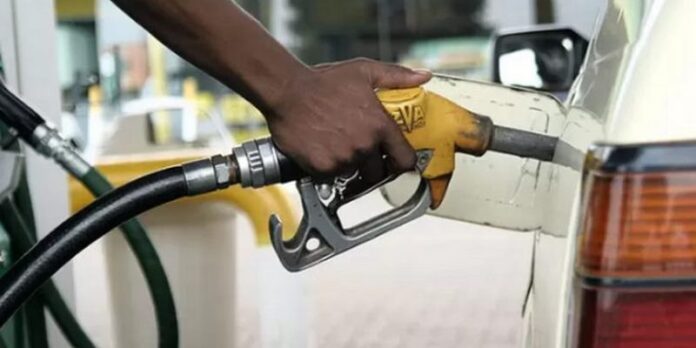

Motorists have received a welcome New Year gift as several Oil Marketing Companies (OMCs) implemented marginal reductions in ex-pump fuel prices at the start of the January pricing window.
The price cuts, which took effect in the early hours of the New Year, reflect a continued downward trend in petroleum costs, providing relief for both commercial and private transport users.
Market leader Star Oil was among the first to update its digital displays, setting a competitive benchmark for the industry. The company’s latest price list shows significant dips across its main products:
- Petrol: GH¢10.86 per litre
- Diesel: GH¢11.96 per litre
- RON 95: GH¢13.56 per litre
Star Oil management said the decision to lower prices was driven by a “favourable domestic and external cost environment,” citing the recent appreciation of the Ghana cedi and a slump in international refined product prices as key factors enabling them to pass savings onto consumers.
The current reductions may be just the beginning for January.
The Chamber of Oil Marketing Companies (COMAC) has projected further price declines this month, suggesting that competitive pressures will prompt more OMCs to follow suit. In its January pricing outlook, COMAC provided the expected percentage reductions:
- Petrol: up to 4.80%
- Diesel: around 3.77%
- LPG: approximately 2.19%
The relief at the pump is being driven by two main factors. First, the Ghana cedi has shown remarkable resilience against the US dollar, lowering import costs. Second, global refined petroleum markets are currently in surplus, resulting in lower benchmark prices.
COMAC explained that these anticipated cuts reflect a “favourable domestic and external cost environment,” noting that lower global prices and a stronger local currency have eased the exchange-rate pressures that typically push ex-pump prices higher.
For commercial drivers—locally known as Trotro operators—the reductions provide a vital reprieve. Fuel is a major operational cost, and these marginal decreases help stabilise transport fares, which in turn can curb food price inflation.
Industry analysts suggest that if the cedi maintains its current trajectory and international crude prices remain below $80 per barrel, Ghanaians could see even more substantial relief by the second pricing window in mid-January.