
The Torch Passes: Who’s Next for Ghana?
As Ghana looks ahead to the post-Mahama era, the question on everyone’s mind is: who’s next? From Kwame Nkrumah’s vision of independence to Jerry Rawlings’ era of reforms, Ghana’s presidency has seen diverse leadership styles and priorities. John Kufuor’s tenure brought economic growth and infrastructure development, paving the way for stability. John Atta Mills continued this path, focusing on growth and social programs. After Mills’ passing, John Mahama took office and was elected for the first term (2012–2016), driving economic growth and transforming sectors like education and healthcare. Nana Akufo-Addo’s presidency (2016–2024) pushed for industrialization and other initiatives.
Now, with Mahama securing a second term (2025–), the torch is set to pass to a new leader soon. Who has the vision, competence, and charisma to build on Mahama’s legacy and take Ghana to the next level? In this feature article, we explore the potential successors, the qualities Ghanaians are looking for in a leader, and what the future might hold for the country. The past few years under Mahama have seen Ghana achieve impressive economic indicators, including a stable GDP growth rate and reduced inflation. Infrastructure investments have improved connectivity and boosted economic activity. Education has seen notable improvements under the Free SHS policy, with students benefiting from better food and expanded access—the program has even extended to private schools. Healthcare has expanded access through NHIS, improving health outcomes. As Ghanaians prepare for a new chapter, expectations are high for a leader who can sustain this momentum and drive Ghana forward.
The Profile: Leadership Fit for Ghana’s Future
Ghana’s next leader will need a blend of skills, experience, and vision that can drive the country’s growth and progress. Looking at past leaders, traits like strong economic management, the ability to connect with Ghanaians, and commitment to transforming key sectors like education and healthcare have been crucial. The right leader will need to balance continuity and change, leveraging Ghana’s strengths while addressing challenges like job creation, infrastructure development, and improving living standards. Experience in governance, understanding of Ghana’s political landscape, and the ability to build consensus across diverse groups will be important. The leader will also need to show strong communication skills, resilience in tackling tough issues, and a clear vision for Ghana’s future. With these qualities, they’ll be well-positioned to take Ghana to the next level.
NDC’s Gamble: Continuity or Change?
The NDC will likely look for a candidate who builds on Mahama’s legacy, leveraging the party’s strengths and appealing to Ghanaians. Vice President Naana Opoku Agyeman is a key contender, with her experience and government familiarity. As a former Vice Chancellor of UCC and Education Minister under Mahama’s first term, she’s contributed significantly to education reforms, including pushing for quality education access.
Her role as Vice President has also seen her lead economic management efforts, contributing to positive economic indicators. The NDC has a historical precedent of choosing a vice president to succeed the president—like Jerry Rawlings backing John Atta Mills, and Mills choosing Mahama as VP and successor. This pattern could play to Naana Opoku Agyeman’s advantage given her current role. Dr. Ato Forson, Prof. Alabi, Asiedu Nketia, and others might also throw their hats in the ring, bringing their own strengths and perspectives. The party’s primaries will be telling, as they seek a candidate who can unify and energize supporters while connecting with Ghanaians beyond party lines.
NPP’s Dilemma: Bawumia or a Wild Card?
The NPP’s succession landscape has Dr. Bawumia as a frontrunner, with his economic credentials and campaigning skills. But Kennedy Agyapong’s presence adds spice to the mix. Historically, the NPP has seen a sitting vice president seeking the top spot face challenges—Alhaji Aliu Mahama contested in 2008 but didn’t quite make it. Interestingly, Dr. Bawumia, also a vice president, has emerged as a strong candidate this time. The party will need a candidate who can connect with Ghanaians, counter the NDC’s narrative, and address perceptions of detachment from grassroots. Dr. Bawumia’s economic track record and youthful energy are pluses, but internal party dynamics and how he addresses economic challenges will be critical. Kennedy Agyapong brings different energy and could shake things up. The NPP’s choice will hinge on what works best to win Ghanaians’ trust and votes.
Ghanaians’ Wish List: A Leader for Progress
Ghana’s next leader will be chosen based on the ability to drive economic growth, improve living standards, and maintain stability. Key issues like jobs, infrastructure, and corruption will be top priorities. Whoever emerges will need a strong vision for Ghana’s future—one that creates opportunities for youth, boosts local businesses, and ensures Ghana’s place in the global economy. Ghanaians have hailed policies like Nkrumah’s industrialization push, Rawlings’ decentralization efforts, Kufuor’s infrastructure drive, Akufo-Addo’s introduction of Free SHS, and Mahama’s efforts in building economic resilience—notably the stability of the Ghana Cedi against major currencies like the USD and Euro. His handling of the energy sector legacy debt has also been notable, with significant payments made to clear debts and restore stability to the sector, restoring confidence among investors and international partners. Policies that improve access to education, healthcare, and economic opportunities tend to resonate. The next leader will need to build on successes and tackle challenges like inequality and unemployment.
The stage is set for an interesting battle between the NDC and NPP. Key things to watch: primaries, candidate selection, campaign strategies, and how candidates address Ghana’s pressing issues. The economy, jobs, and governance will likely dominate the narrative. Ghana’s future hinges on choosing a leader who builds on Mahama’s legacy and drives progress. The choice matters for Ghana’s growth.
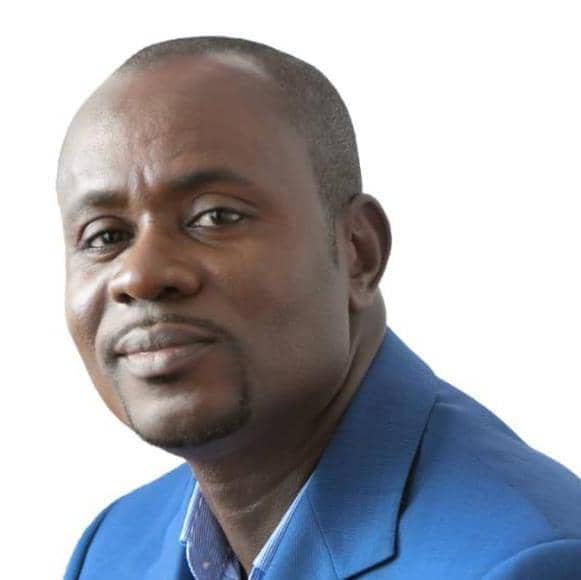
The writer is a Lecturer at University of Professional Studies, Accra, Marketing Department, Dr. Ebenezer Arthur Duncan (0244882425).
READ ALSO: