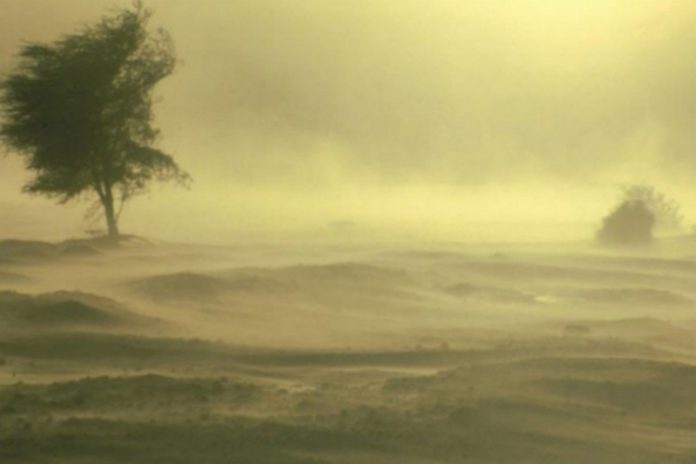

The Ghana Meteorological Agency (GMet) has reported an unusual delay in the onset of the 2025/2026 Harmattan season, leading to unexpected rainfall across several parts of the country.
According to the Agency, many areas in southern Ghana continued to record rainfall as of late December, a development considered rare for the Harmattan period. Northern regions, which typically experience peak dry and dusty conditions during this season, have also recorded occasional rainfall.
GMet attributed the delayed Harmattan to significant fluctuations in the position of the Inter-Tropical Boundary (ITB), the zone where dry Saharan air meets moist maritime air. The Agency explained that the ITB has remained further north than usual, limiting the southward movement of dry Harmattan winds.
In addition, warm sea surface temperatures in the Gulf of Guinea have sustained moisture over the country, contributing to continued rainfall and higher humidity levels, particularly in southern areas.
Outlook for the first quarter of 2026
Looking ahead, GMet anticipates a generally weak Harmattan season during the first quarter of 2026, although the public is advised to remain alert for occasional episodes of severe conditions. In northern Ghana, atmospheric conditions are expected to become significantly dry and dusty, with reduced visibility compared to the south. Forest zones and parts of the coastal belt, however, are likely to continue experiencing localized rainfall due to ongoing ITB fluctuations and the influence of warm ocean temperatures, which are preventing dry air from fully dominating the southern sector.
Expected regional impacts
While northern areas may experience intermittent dust plumes, the coastal and middle belts are expected to have a mild dry season. Persistent moisture from the Gulf of Guinea is likely to result in higher humidity levels and fewer hazy days than normally associated with Harmattan. Consequently, the usual sharp drop in morning temperatures and extreme dryness of the skin may be less pronounced in southern Ghana, although occasional dust incursions may still occur when Saharan winds temporarily intensify.