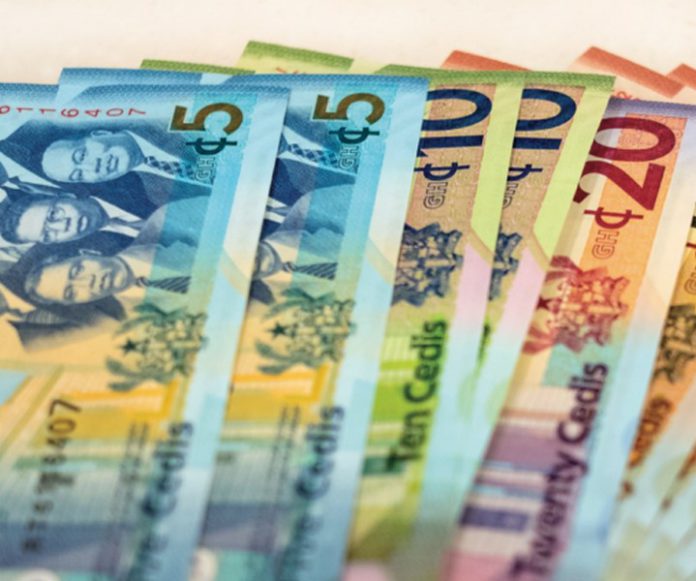

Ghana’s cedi, which posted historic gains in 2025, faces potential volatility in 2026 as commodity prices, regional security risks, and global interest rates create external pressures, according to EM Advisory.
In 2025, the cedi strengthened by 30% against the dollar, supported by high gold prices, cocoa exports, and central bank interventions.
Analysts caution that sustaining this performance will require careful management amid rising fiscal and external risks.
“The cedi’s strength last year was remarkable, but 2026 will test whether stability can be maintained without IMF oversight,” the report said.
Ghana’s reserves, bolstered by domestic gold purchases and FX interventions, reached $13.8 billion, providing a buffer of 5.7 months of import cover. However, structural exposure to raw commodity exports and limited hedging capabilities could amplify vulnerability to external shocks.
“Reliance on gold, cocoa, and oil leaves the economy exposed to global price swings and regional instability,” EM Advisory analysts noted.
The report also flags security concerns in the Sahel, including rising jihadist activity, which may force increased expenditure on border security and disrupt trade routes.
“Fiscal space is limited, so rising security costs could pressure reserves and challenge monetary stability,” the advisory said.
Analysts recommend policy measures that support gradual currency management, diversification of exports, and strengthening of domestic reserves.
“2026 is the year Ghana must solidify external resilience, leveraging reserves, gold refining, and fiscal prudence to maintain macroeconomic stability,” EM Advisory concluded.
READ ALSO: