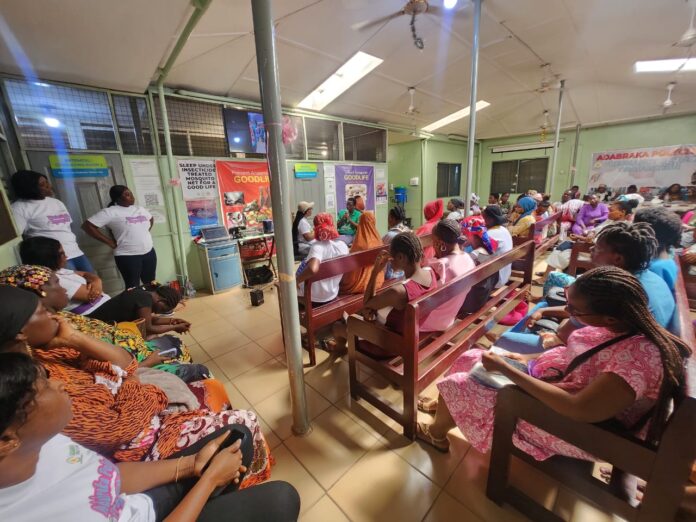

About 50 pregnant women gathered at the pregnancy school at Adabraka Polyclinic for a health education session focused on sexually transmitted infections (STIs) during pregnancy.
The event, organised by Adom FM’s health programme Nyinsen Ne Awuo and hosted by Afia Amankwah, combined exercise activities with a health discussion led by medical professionals.
The women participated in light exercises filled with music, dance and excitement before an hour-long health talk on the dangers of sexually transmitted infections during pregnancy.
STI Focal Person Nana Yaa Birago warned that untreated infections such as syphilis could have serious consequences for unborn babies.
According to her, babies born with untreated syphilis risk complications including loss of sight or even death within the first two years of life.
She also cautioned that babies who contract HIV/AIDS may have to take medication for the rest of their lives, stressing the importance of early testing and regular antenatal checks during pregnancy.
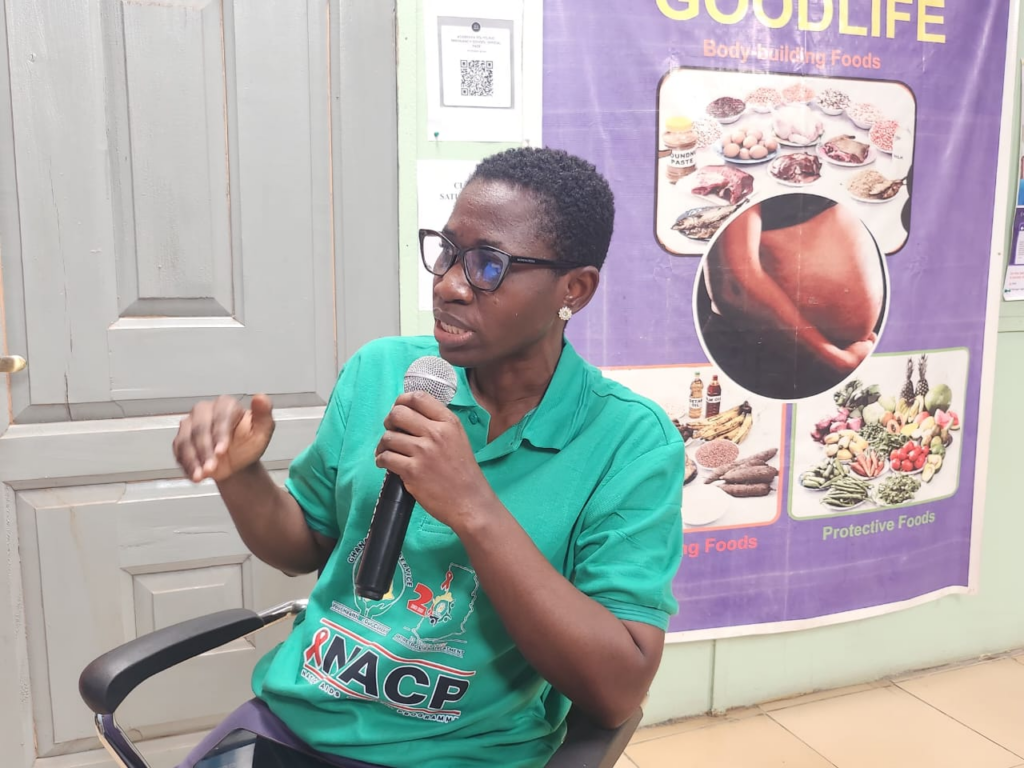
The health educator explained that there are more than 30 sexually transmitted infections, making testing essential before taking any medication to ensure the correct condition is treated.
Nana Yaa Birago further encouraged pregnant women who test positive for an STI to inform their husbands and ensure that their partners also undergo testing to prevent reinfection.
During an interactive question session, several pregnant women asked questions about the causes, prevention and managing intimacy during treatment.
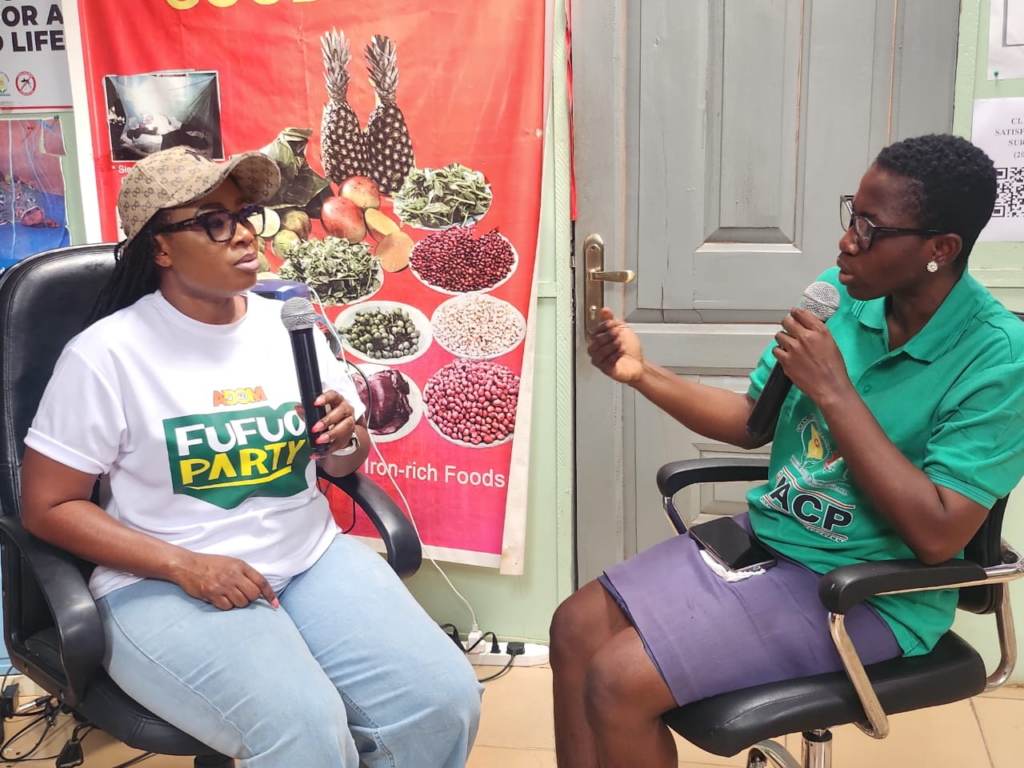
One participant, Vivian, asked whether she should deny her husband sex if he refuses to test after she has been diagnosed with syphilis.
In response, Nana Yaa Birago advised that such situations must be handled carefully, noting that outright denial could create tension in the marriage and potentially lead to infidelity.
Meanwhile, Deputy Director of Nursing Services at the Adabraka Polyclinic, Vivian Gbekle, encouraged couples to communicate openly and seek medical guidance together to manage infections and protect both mother and child.
The session ended with further discussions on sexual health, treatment and preventive practices for expectant mothers.