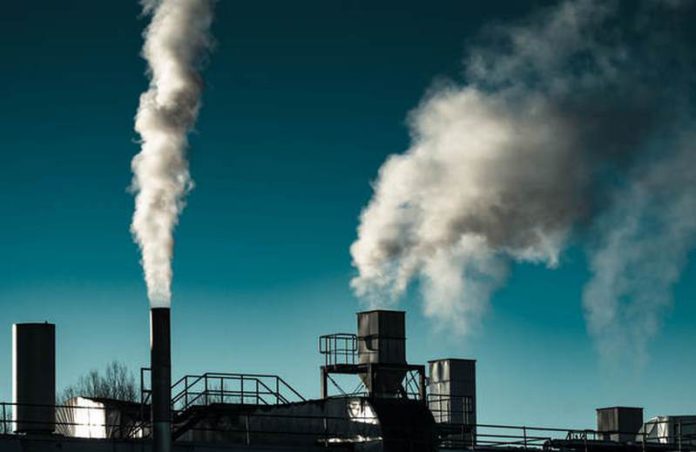

There is an invisible threat lurking all around us. Each morning when you stand by the roadside to catch a “trotro” to work, when children walk along the roadside to school, or when drivers and “trotro” mates spend long hours transporting passengers from Accra to Madina, Spintex to Teshie, or Accra to Pokuase, we are all exposed to something we cannot see.
Even when you step out of your air-conditioned vehicle to enter an office, shop, or home, you are still breathing the same polluted air. This invisible danger slowly damages our lungs and respiratory organs.
Every day, in our expanding cities, we breathe polluted air, regardless of our social status or where we live. Air pollution does not discriminate.
The transportation sector is one of the biggest contributors to this problem. Heavy traffic, ageing vehicles, and long hours of idling engines release harmful pollutants into the atmosphere. Anyone who has driven behind a vehicle releasing thick black smoke has witnessed this problem firsthand. At the same time, poor waste management systems mean that waste is frequently burned in many communities, adding more smoke and harmful particles to the air.
The health impacts of this pollution are serious. Breathing polluted air over long periods can lead to asthma, lung disease, heart problems, and other respiratory conditions. Studies have also shown that exposure to polluted air can affect unborn children and increase health risks for pregnant women.
What makes air pollution particularly dangerous is that it is often invisible. On many days, the sky looks clear, yet the air can contain tiny particles known as particulate matter. These particles are smaller than the width of a single strand of hair and can travel deep into the lungs and even enter the bloodstream.
People who spend long hours near busy roads may face the greatest risk. Market traders, street vendors, drivers, policemen, and traffic wardens often spend their entire working day in environments where vehicle emissions and dust are highest.
As our cities continue to grow, the problem could become even more serious if action is not taken.
Improving waste management is an important step. Reducing open burning and ensuring proper waste collection can significantly reduce pollution in many communities. Stronger vehicle emission standards and better public transportation systems can also help reduce pollution caused by traffic congestion.
But tackling air pollution is not only the responsibility of government and policymakers. As individuals, we also have a role to play. Avoiding the open burning of waste, maintaining vehicles properly to reduce excessive smoke, and supporting cleaner transportation options can help reduce pollution in our communities. Simple actions such as proper waste disposal and planting trees around our homes and neighbourhoods can also contribute to cleaner air.
Clean air is not a luxury. It is essential for our health and well-being. As Ghana’s cities continue to expand, protecting the air we breathe must become a priority for policymakers, communities, and individuals alike.
Clean air should not be a privilege for a few; it is a basic right that every Ghanaian deserves.
Author
Maame Serwaa Appiah