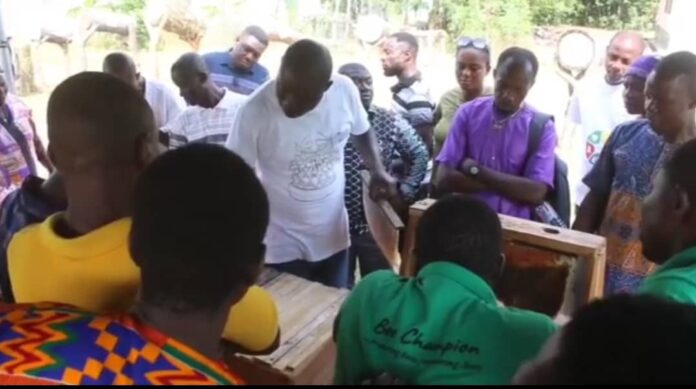

The Programmes Director of Bees for Development Ghana (BfDG), Papa Kwodwo Mbroh, has revealed that the organisation has trained over 900 people in beekeeping across the Afram Plains as part of efforts to tackle youth unemployment and promote sustainable livelihoods.
He made this announcement at a project review and stakeholders’ workshop held in Donkorkrom in the Kwahu Afram Plains North District, where he called on the government to prioritise honey production and exports as a viable avenue for boosting foreign exchange earnings and fostering rural economic development.
Bees for Development Ghana is working to create thriving rural communities in the Kwahu Afram Plains through sustainable beekeeping and forest restoration initiatives. Its Beekeepers Restore Forests project seeks to restore biodiversity, manage native honey bee populations, promote sustainable forest management, prevent bushfires, and improve nectar sources essential for high-quality honey production.
Speaking at the meeting, Mr. Mbroh explained that the beekeeping initiative is designed to curb unemployment while strengthening environmental conservation efforts in the area. He emphasised the potential of Ghana’s honey sector, noting that with the right investment and policy support, honey production could significantly contribute to export earnings and job creation, particularly in rural communities.
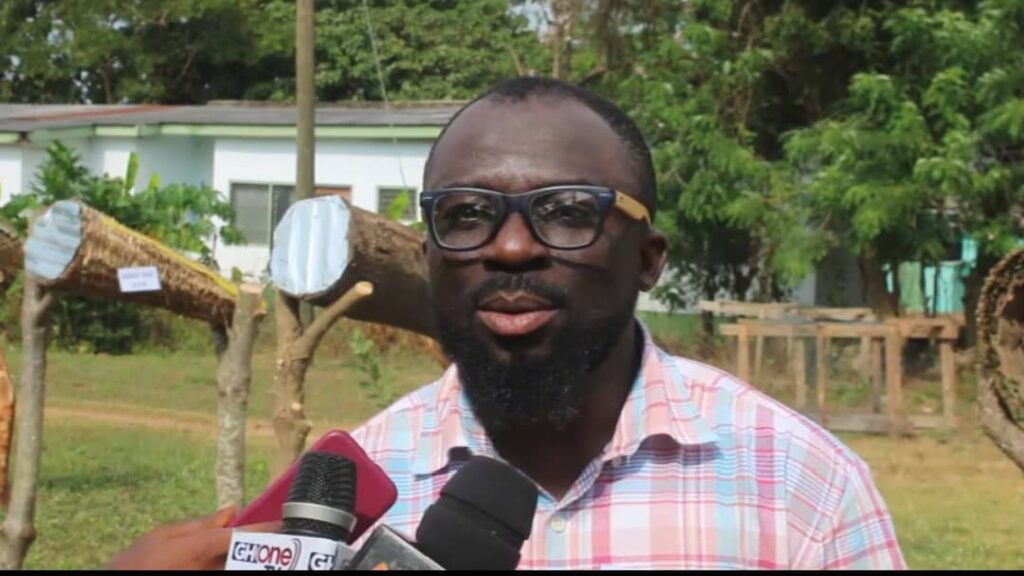
Meanwhile, the Programme Director of Bees for Development UK, Dr. Janet Lowore, highlighted the importance of increasing public understanding of the benefits and responsible practices of beekeeping. She described income gains from the initiative as evidence that nature-based solutions can deliver real economic returns.
“When communities earn a reliable income from protecting forests, conservation becomes sustainable. The results from Afram Plains show that beekeeping can be a powerful tool for poverty reduction,” Dr. Lowore said. She added that beekeeping supports sustainable livelihoods, poverty reduction, and the achievement of the Sustainable Development Goals (SDGs), pledging continued support for beekeeping initiatives in Ghana.
Beneficiaries of the programme expressed appreciation to BfDG, noting that the training has enabled them to produce honey and beeswax using local bee species while protecting healthy honey bee populations.
Abdul Shafick Asminu, a beneficiary from the Afram Plains, said, “Before this project, money was very difficult to get. Now, when we harvest honey, we are sure of a buyer and fair payment. The income has helped me pay school fees and support my family.”
Another beneficiary, Ama Mary Aseidu, highlighted the financial independence beekeeping has brought her. “Beekeeping has given me my own income. I no longer rely on charcoal burning or seasonal farming alone. I do not also rely on my husband like before. This has changed my life,” she said.
Stakeholders at the review workshop called for scaling up the project to reach more forest-dependent communities, noting its potential to simultaneously address youth unemployment, rural poverty, and environmental degradation.
READ ALSO: